Physical therapy stands as a beacon of hope and healing in the realm of healthcare, offering a diverse range of methods tailored to address various needs. This article aims to provide an in-depth analysis of physical therapy, exploring its target audience, common methods, and its transformative application in rehabilitation therapy. Through engaging narratives and insightful analysis, we'll unravel the intricacies of physical therapy and its profound impact on individuals seeking recovery and improved well-being.
1. The Target Audience for Physical Therapy
Physical therapy caters to a broad spectrum of individuals across age groups and health conditions. While commonly associated with post-injury rehabilitation, its reach extends far beyond, embracing diverse populations.
1.1. Orthopedic Patients: A Journey to Recovery
The primary audience for physical therapy includes individuals with orthopedic conditions, such as fractures, joint replacements, or musculoskeletal injuries. Meet Sarah, a young athlete recovering from a knee injury. Through a personalized physical therapy plan, including targeted exercises and rehabilitation techniques, Sarah not only regained her strength but also learned preventive measures to avoid future injuries.
1.2. Neurological Patients: Restoring Functionality
For those with neurological conditions like stroke or spinal cord injuries, physical therapy becomes a crucial aspect of rehabilitation. James, a stroke survivor, found solace in physical therapy sessions that focused on retraining his muscles and improving coordination. The tailored exercises facilitated neuroplasticity, enabling James to regain functionality and independence.
1.3. Pediatric Patients: Nurturing Development
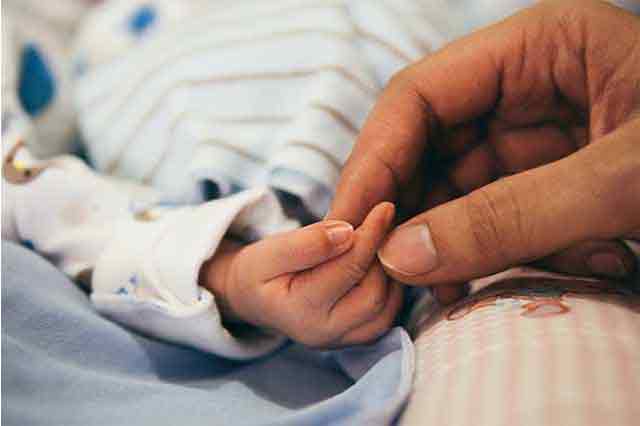
Physical therapy extends its healing touch to pediatric patients, addressing developmental issues or congenital conditions. Emily, a young child with cerebral palsy, embarked on a physical therapy journey that incorporated play-based exercises. This not only improved her motor skills but also nurtured her overall development, highlighting the versatility of physical therapy in the pediatric realm.
1.4. Sports Enthusiasts: Optimal Performance and Injury Prevention
Athletes, both professional and amateur, form a significant portion of the target audience for physical therapy. Jason, a dedicated runner, sought physical therapy not just for injury recovery but also for optimizing his performance. The integration of strength training, flexibility exercises, and biomechanical analysis ensured that Jason not only healed from his injuries but also enhanced his athletic capabilities.
1.5. Geriatric Patients: Enhancing Quality of Life
In the aging population, physical therapy plays a vital role in maintaining mobility, preventing falls, and managing age-related conditions. Consider the story of Mr. Johnson, an elderly gentleman coping with arthritis. Through targeted exercises and pain management strategies, physical therapy became a cornerstone of Mr. Johnson's life, enhancing his quality of life and allowing him to age with grace.
2. Common Physical Therapy Methods
Physical therapy employs a diverse array of methods tailored to individual needs, aiming to restore function, alleviate pain, and improve overall well-being.
2.1. Manual Therapy: Hands-On Healing
Manual therapy involves hands-on techniques, such as joint mobilization and soft tissue manipulation. Lisa, suffering from chronic back pain, experienced relief through manual therapy sessions. The skilled hands of her physical therapist helped release muscle tension and restore proper joint function, providing a foundation for her rehabilitation journey.
2.2. Therapeutic Exercise: Strengthening from Within
Therapeutic exercises form a core component of physical therapy, focusing on strengthening specific muscle groups and improving flexibility. John, recovering from a lower back injury, underwent a tailored exercise regimen that gradually progressed as his strength increased. Therapeutic exercises not only aided his recovery but also empowered him to actively participate in his healing process.
2.3. Electrotherapy: Harnessing Technology for Healing
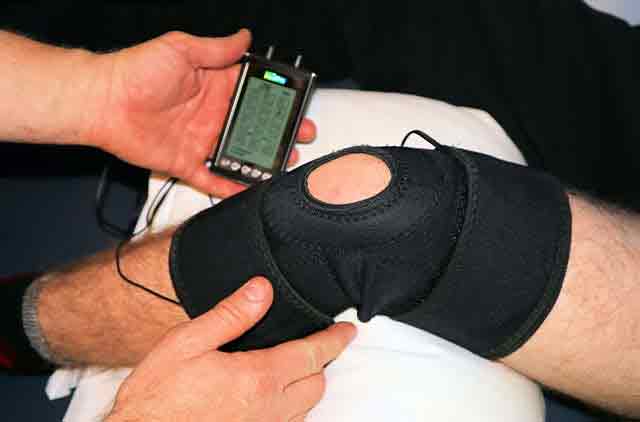
Incorporating technological advancements, electrotherapy involves the use of electrical stimulation to address pain and promote muscle rehabilitation. Maria, dealing with chronic pain due to a nerve injury, found relief through electrotherapy sessions. The controlled application of electrical impulses facilitated pain modulation and improved her overall comfort.
2.4. Aquatic Therapy: Buoyancy for Rehabilitation
For patients with weight-bearing restrictions or joint issues, aquatic therapy provides a buoyant and low-impact environment for rehabilitation. Jake, recovering from a knee surgery, immersed himself in aquatic therapy sessions. The water's buoyancy reduced the impact on his joints, allowing for gradual rehabilitation with less strain on the affected area.
3. The Application of Physical Therapy in Rehabilitation Therapy
Physical therapy plays a pivotal role in rehabilitation therapy, helping individuals regain functionality and independence after injury, surgery, or illness.
3.1. Post-Surgical Rehabilitation: Navigating the Road to Recovery
Post-surgical rehabilitation is a common application of physical therapy, aiding individuals in recovering from surgical procedures. Emma, after a successful hip replacement surgery, underwent a comprehensive rehabilitation plan. Physical therapy not only facilitated her recovery but also educated her on post-surgical care, ensuring a smooth transition back to daily activities.
3.2. Cardiac Rehabilitation: Strengthening the Heart
Cardiac rehabilitation involves physical therapy for individuals recovering from heart-related conditions or surgeries. Richard, following a heart attack, enrolled in a cardiac rehabilitation program that included cardiovascular exercises and lifestyle modifications. Physical therapy played a crucial role in rebuilding his cardiovascular health and instilling heart-healthy habits.
3.3. Pulmonary Rehabilitation: Breathing for Better Living
Individuals with respiratory conditions benefit from pulmonary rehabilitation, where physical therapy focuses on improving lung function and respiratory efficiency. Maria, diagnosed with chronic obstructive pulmonary disease (COPD), engaged in pulmonary rehabilitation sessions. Targeted breathing exercises and aerobic activities improved her lung capacity, enabling her to breathe more comfortably.
3.4. Neuromuscular Rehabilitation: Restoring Motor Function
Neuromuscular rehabilitation is tailored for individuals with conditions affecting the nervous system. Brian, diagnosed with multiple sclerosis, underwent neuromuscular rehabilitation that included balance exercises and coordination drills. Physical therapy not only addressed his specific neurological challenges but also empowered him to navigate daily life with increased confidence.
Physical therapy, a dynamic and versatile field, holds the power to transform lives across diverse demographics and health conditions. As we journey through the stories of Sarah, James, Emily, Jason, Mr. Johnson, Lisa, John, Maria, Jake, Emma, Richard, and Brian, we witness the profound impact of physical therapy on individuals seeking recovery and enhanced well-being.
The target audience for physical therapy spans a wide spectrum, from orthopedic patients and neurological cases to pediatric care, sports optimization, and geriatric well-being. Common physical therapy methods, including manual therapy, therapeutic exercises, electrotherapy, and aquatic therapy, showcase the diversity of approaches employed to address individual needs.
In rehabilitation therapy, physical therapy emerges as a guiding force, steering individuals through post-surgical recovery, cardiac rehabilitation, pulmonary rehabilitation, and neuromuscular rehabilitation. As physical therapy continues to evolve, its unwavering commitment to restoring functionality, alleviating pain, and improving the overall quality of life positions it as a cornerstone of modern healthcare.